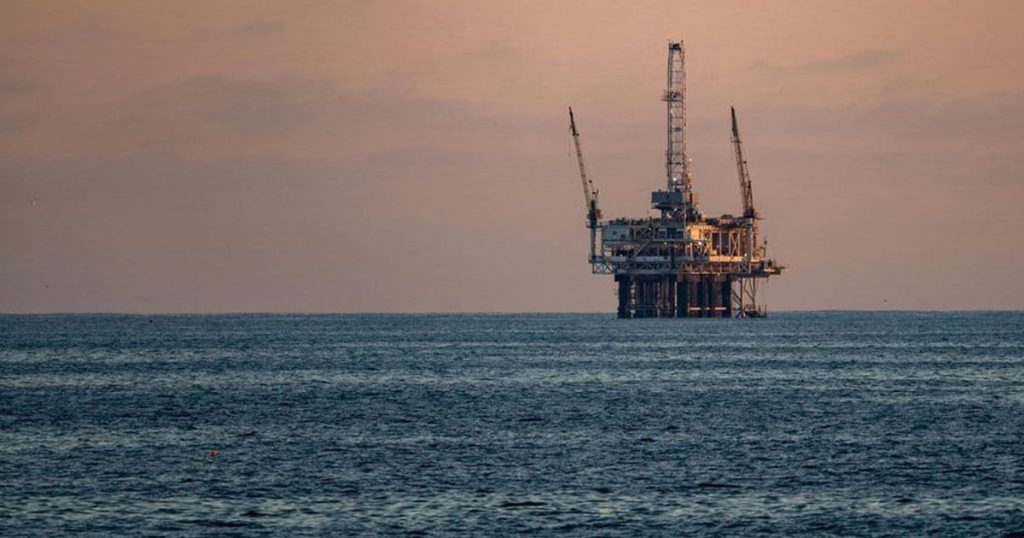
Global financial news is now dominated by concerns over the Middle East conflict. What began as a regional crisis is affecting global trade. Economists warn that prolonged instability could slow commerce. It may also increase costs and expose weak supply chains. These risks now concern both developed and emerging economies worldwide.
Energy tensions reshape trade stability
The World Trade Organization has issued a cautious forecast. It expects global merchandise trade growth to slow sharply this year. Growth may fall to 1.4 percent if energy prices remain high. This is a steep drop from 4.6 percent in 2025. The change signals rising economic pressure across global markets.
The disruption centers on the Strait of Hormuz. This route carries about one-fifth of the global oil supply. Ongoing conflict has increased security risks in the area. Ships face delays and higher insurance costs. These issues are now affecting global supply chains and delivery timelines.
Higher energy prices are spreading across industries. Transport and production costs are rising steadily. Food systems are also under pressure due to higher fuel use. The WTO warns that limited access to the supply chain may worsen shortages. Open and stable trade systems remain critical to protect consumers.
Economic outlook splits under pressure
Financial news analysis outlines two possible scenarios. In a stable energy environment, trade may still grow modestly. Merchandise trade could grow by 1.9 percent. Global GDP may rise to 2.8 percent. Services trade could remain strong at 4.8 percent, supported by digital demand.
A second scenario reflects continued high oil prices. Prices near 90 dollars per barrel would slow global demand. Trade growth would weaken further under this pressure. Services trade may also slow to about 4.1 percent. This would affect overall economic recovery.
Fuel-importing regions face the greatest risk. Many economies in Asia and Europe depend on stable energy prices. Higher import costs may reduce spending and output. Experts stress the need for stable trade policies. The WTO highlights solutions in its report.
