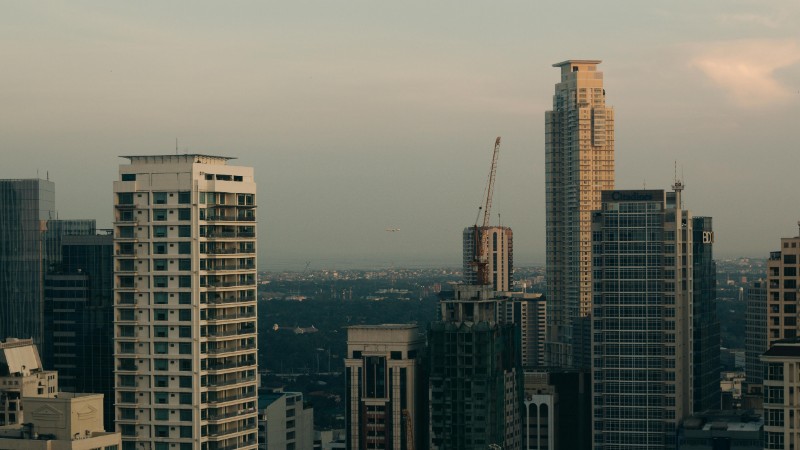
Fresh economic news from Washington set the tone for Manila’s outlook. The International Monetary Fund quietly recalibrated expectations for Philippine growth, signaling slower momentum ahead. While expansion continues, the downgrade reflects recent stumbles and a tougher global backdrop shaping decisions into 2026 that investors, policymakers, and households are watching closely.
New economic signals shift growth
The IMF now sees the Philippines growing 5.1 percent in 2025, down from earlier optimism and below the government’s target range. That revision follows a weaker-than-expected third quarter, when output expanded just 4.0 percent, the slowest pace recorded in four years.
Looking ahead, the Fund trimmed its 2026 projection to 5.6 percent, signaling a slower climb rather than a stall. Officials framed the adjustment as caution, not crisis, stressing that domestic demand still anchors activity despite recent disruptions and uneven public investment timing.
For readers following economic news, the headline matters because it explains policy trade-offs ahead. Slower growth has practical consequences: it reduces fiscal flexibility, complicates infrastructure planning, and makes the economy more sensitive to external shocks. Forecasts are not just numbers, they influence confidence and decision-making among investors, policymakers, and households navigating uncertain global and regional conditions.
Downgrade spotlights risks and reform pressure
Behind the downgrade sit both global and local pressures. Trade policy uncertainty, geopolitical tensions, and volatile financial conditions continue to cloud export prospects. At home, delayed public works and governance concerns have weighed on sentiment, softening investment appetite at a delicate moment.
The IMF’s guidance goes beyond forecasts. Directors emphasize the importance of strengthening institutions, accelerating private investment, and diversifying the economy to mitigate the impact of climate shocks. They also welcome recent improvements to the business environment, including the country’s exit from the FATF (Financial Action Task Force) grey list.
Monetary policy remains supportive, with inflation expected to ease before rising again in 2026. Yet the message is clear: sustainable growth requires credibility, transparency, and careful monitoring. In a cycle of uncertainty, maintaining confidence may be the most valuable currency for investors, workers, and policymakers alike.
