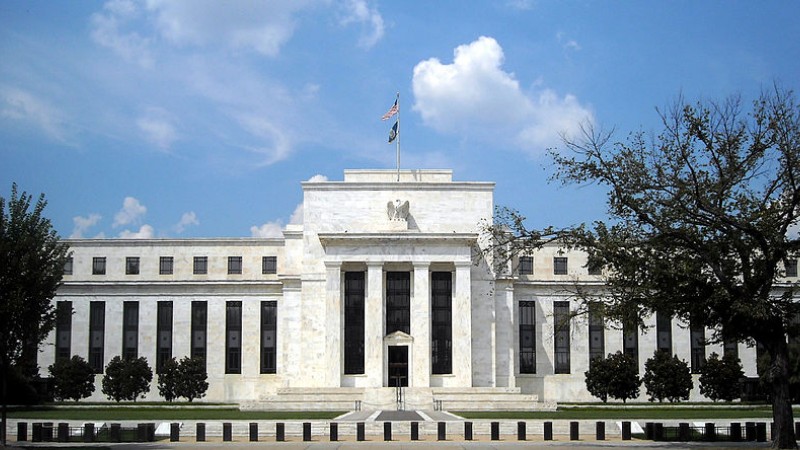
The Federal Reserve’s recent interest rate changes have created some uncertainty, especially for 2026. Policymakers are divided on what to expect next year. Some predict rate hikes, while others expect cuts of up to 1.5 percentage points. This split view has made the economic outlook unclear, as inflation and growth pressures continue to collide.
Fed rate split: What’s at stake
What does this mean for your savings? The Fed’s interest rate directly affects how much you earn on CDs, money market accounts, and savings accounts. High-yield savings accounts now pay about 4% APY, and some CDs pay up to 4.5%. The Fed’s direction is still unclear, so these rates could change.
People who know the market well are closely monitoring the data. Tools like the CME FedWatch give you real-time updates on what the market thinks the Fed will do, which helps you understand how your savings might be affected. But you need to monitor more than just the rates. Hidden fees, hard-to-understand terms, and bad customer service can also hurt your returns.
Protecting your savings in 2026
Treasury Inflation-Protected Securities (TIPS) might be a good choice if you want more stability. These options, which the government backs, adjust with inflation, helping protect you from rising costs. TIPS yields may not be particularly high, but they are a safe option. It’s also essential to check how open and safe any savings tool is for customers. You want to ensure your choices are safe and easy to understand as regulations tighten.
The key takeaway? While 2026 remains uncertain, being informed and proactive with your savings strategy will help you stay on track.
