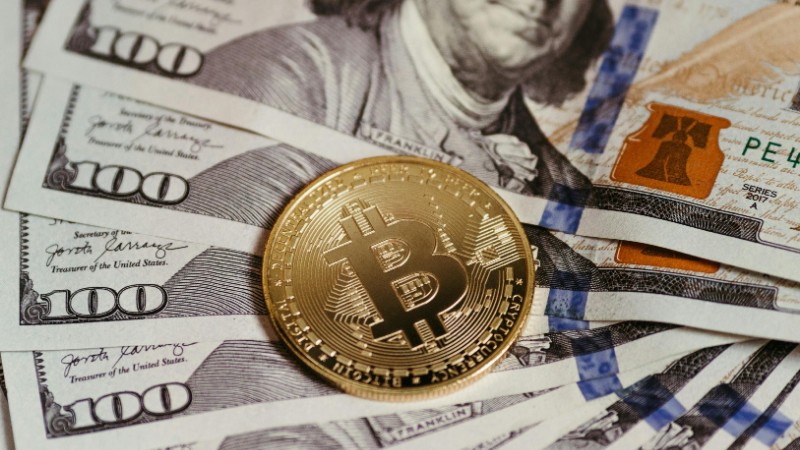
Crypto News today highlights Bitcoin’s recent turbulence, marking its steepest quarterly decline since 2018. Investors who anticipated year-end gains now face a more cautious outlook, as the digital currency struggles to maintain momentum. With the fourth quarter nearly over, market participants are reassessing strategies and weighing potential opportunities for recovery.
Market struggles amid investor caution
Bitcoin’s recent downturn has sent ripples across the crypto community, with prices falling over 22% in the last quarter alone. This sharp decline erased much of the optimism that followed early 2025 projections, leaving both retail and institutional investors cautious.
After reaching record highs in October, Bitcoin lost more than 30%, wiping over $1 trillion off the broader crypto market. Analysts now suggest that near-term gains may be limited, as short-term selling continues to dominate.
Weaker demand, slower inflows from ETFs (Exchange Traded Fund), and ongoing retail selling are key factors behind the decline. While major institutional holders remain steady, smaller participants’ activity is shaping the market’s current volatility.
Technical signals indicate possible drop
Charts are flashing caution for Bitcoin. The cryptocurrency is currently trapped in a rising wedge, a technical pattern traders watch closely because it often signals further downward movement. Key support at $85,000 is under pressure, and a breach could push prices toward $73,000, testing investor patience.
On the flip side, a rebound past $94,000 could reignite bullish momentum, giving traders a reason to breathe easier. Short-term volatility is high, but seasoned market watchers see this as part of crypto’s typical ebb and flow rather than an outright collapse.
Looking ahead, cautious optimism persists. Analysts from Citibank and Bernstein forecast strong gains over the next few years, with Bitcoin potentially reaching $189,000 by 2026. Success will hinge on ETF stability, clearer regulations, and institutional accumulation to counter retail hesitancy. For investors, the message is clear: volatility is part of the ride, but the next breakout could be just around the corner.
