Global financial markets face mounting pressure. Trade disputes collide with energy instability, creating uncertainty. Proposed tariffs on European vehicles and geopolitical tensions disrupting oil supplies are driving inflation concerns. Investors, central banks, and consumers feel the impact. Recent market gains are threatened, and cautious sentiment is spreading worldwide.
Tariffs threaten trade stability
The U.S. plan to impose a 25% tariff on EU cars and trucks, initially framed as a national security measure, is now raising broader economic concerns. Economists warn that higher tariffs could disrupt global supply chains. Manufacturers may face rising costs, while consumers could see more expensive vehicles. Slower demand may follow if prices climb too high, affecting overall market activity.
Experts also caution that the impact may extend beyond the auto industry. Steel, electronics, and logistics sectors could experience higher costs. These increases could ripple through global trade balances. Prolonged disputes risk reshaping trade partnerships and influencing international economic policies, making the situation more complex for governments and businesses alike.
Investors are reacting to the uncertainty. Stock markets have become more volatile, especially in sectors linked to global trade. Analysts note that even small delays in negotiations can heighten concerns. As a result, economic news related to tariffs has become a central focus for market watchers and corporate planners.
Energy shocks drive inflation concerns
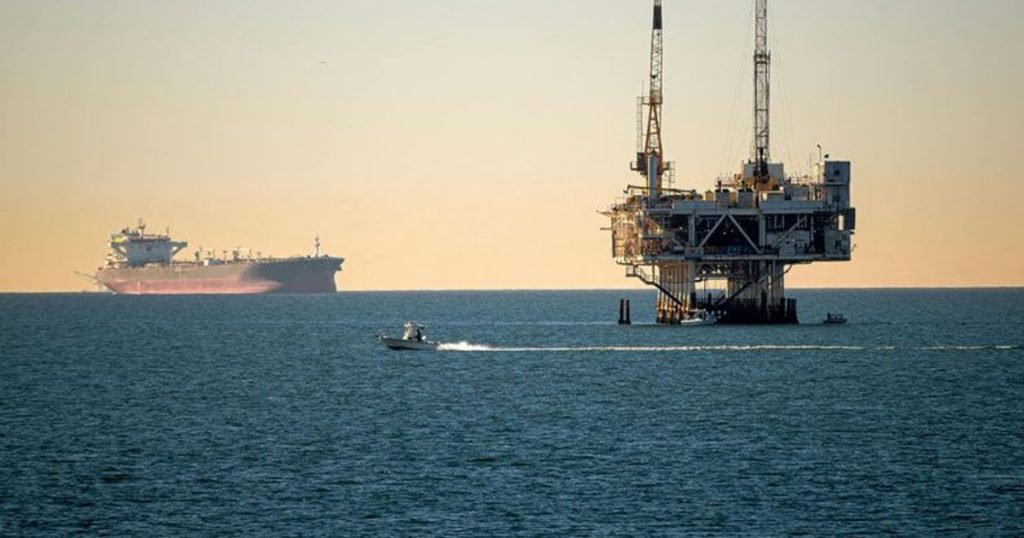
Tensions in the Middle East are driving oil prices to levels not seen in years. Brent crude surpassed $120 per barrel, while WTI exceeded $110, prompting fears of a renewed inflationary surge. Experts caution that any disruption to shipping routes, such as a closure of the Strait of Hormuz, could push prices even higher, potentially exceeding $200 per barrel.
Rising energy costs threaten household budgets and corporate profitability. Transportation, manufacturing, and food sectors are particularly vulnerable, as higher input costs may be passed on to consumers. Analysts emphasize that persistent price increases could dampen economic growth, even in resilient markets.
Central banks, including the Federal Reserve, face difficult choices. Balancing inflation control with economic growth has become more challenging, as interest rate decisions must consider the dual pressures of tariffs and energy shocks. Investors are watching these developments closely, making energy-driven economic news a crucial indicator of market direction.
