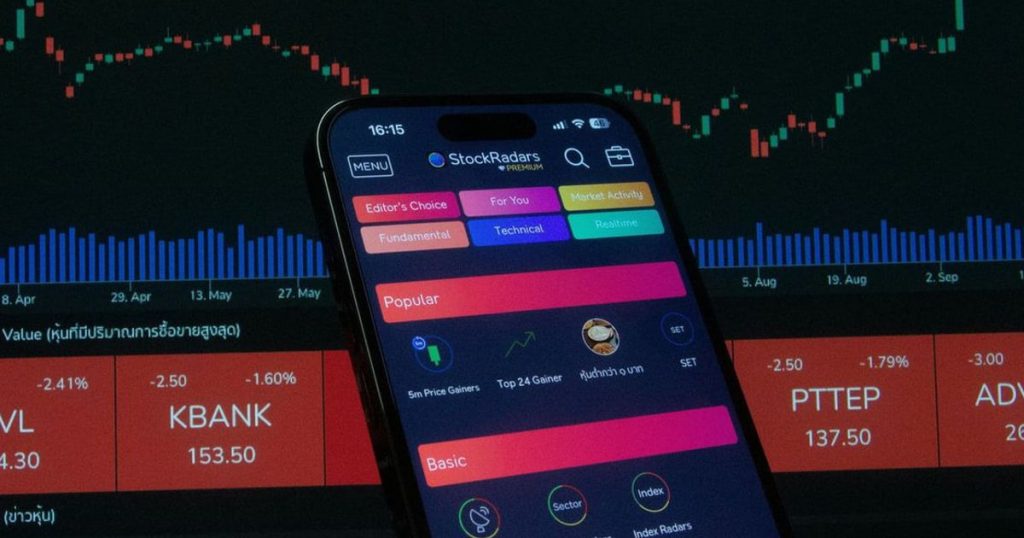
Global investors watched closely as Wall Street steadied itself after days of uncertainty. Fresh developments in Middle East diplomacy shifted sentiment, allowing equities to recover. Analysts studying recent movements point to deeper stock market insights that reveal how geopolitical signals continue to shape investor confidence and short-term trading behavior.
Ceasefire news drives investor confidence
The rebound did not happen in isolation. It followed a temporary easing of tensions between the United States and Iran. This announcement reduced immediate fears of supply disruptions and broader conflict. As a result, investors returned to equities with renewed confidence, particularly in technology-heavy sectors.
The Nasdaq Composite led the recovery, gaining over 1%, while the S&P 500 and Dow Jones Industrial Average also posted solid increases. Market participants interpreted the ceasefire extension as a sign of stability, even if temporary. Analysts note that such reactions are common when geopolitical risks suddenly decline.
Still, caution remains essential. Technical indicators suggest that key resistance levels are approaching. If these thresholds fail to break, momentum could weaken. These stock market insights highlight a fragile balance, where optimism exists but is constantly tested by external developments and policy signals.
Economic signals shape market direction
Beyond geopolitics, broader economic signals continue to influence market direction. Comments from policymakers, including Federal Reserve figures, have raised expectations of tighter financial conditions. This has added complexity to investor decision-making, particularly for long-term portfolio strategies.
Meanwhile, sector-specific developments also shaped trading patterns. Advances in artificial intelligence boosted confidence in major technology firms. At the same time, financial shifts, such as changes in credit scoring models, triggered declines in select stocks, showing how policy adjustments ripple through markets.
Energy markets added another layer of uncertainty. Rising oil prices, driven by supply concerns and regional tensions, could reignite inflation pressures. Experts argue that these overlapping factors demand careful interpretation. The current environment illustrates how markets respond not to a single event, but to a network of interconnected risks and opportunities.
