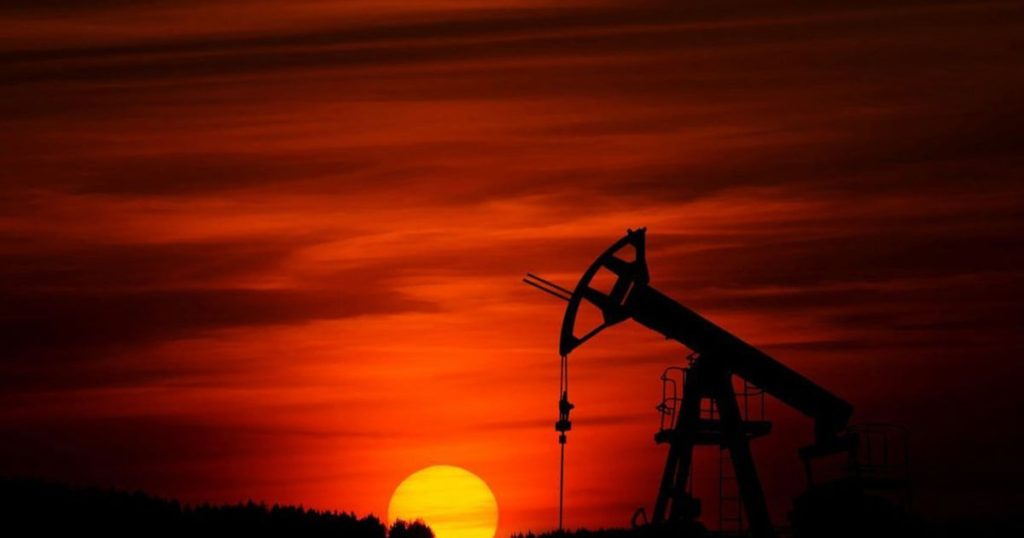
Rising oil prices and geopolitical tensions are increasing U.S. recession risk. Recent developments highlight how energy shocks can ripple across economies. This shift in economic news underscores growing concern among analysts as multiple risk factors begin to converge at once.
Oil prices disrupt fragile growth
Escalating tensions in the Middle East have disrupted tanker movement through the Strait of Hormuz, a key global oil route. This constraint has driven Brent crude prices to around $101 per barrel, up sharply from about $73 before the conflict. U.S. West Texas Intermediate has also climbed near $96, signaling sustained pressure.
Economists warn that such spikes rarely occur in isolation. Moody’s Analytics chief economist Mark Zandi stated on March 18, 2026, that recession risk was already at 49 percent due to weakening labor data. He cautioned that continued oil shocks could push that probability beyond 50 percent, a level often associated with imminent downturns.
Historical patterns reinforce this concern. Nearly every U.S. recession since World War II, excluding the pandemic-driven collapse, followed a sharp increase in oil prices. Higher energy costs raise transportation expenses, drive inflation, and reduce overall economic efficiency, making growth harder to sustain over time.
Policy actions face uncertain impact
On March 12, 2026, the U.S. government released 172 million barrels from the Strategic Petroleum Reserve, the largest ever. The move aims to ease supply pressures and lower prices, though experts debate its long-term impact on the economy.
Financial institutions offer mixed projections on recession triggers. Vanguard suggests oil prices near $150 per barrel could push the economy into contraction, while Wells Fargo estimates a lower threshold of about $130. However, some analysts argue that prolonged prices above $100 may already weaken consumer demand significantly.
Consumers are feeling the strain as gasoline prices rise from $2.94 to about $3.60 per gallon. Households are being forced to cut back on essential spending. This shift in economic news highlights how policy limits, market forces, and global instability are shaping the U.S. economy.
