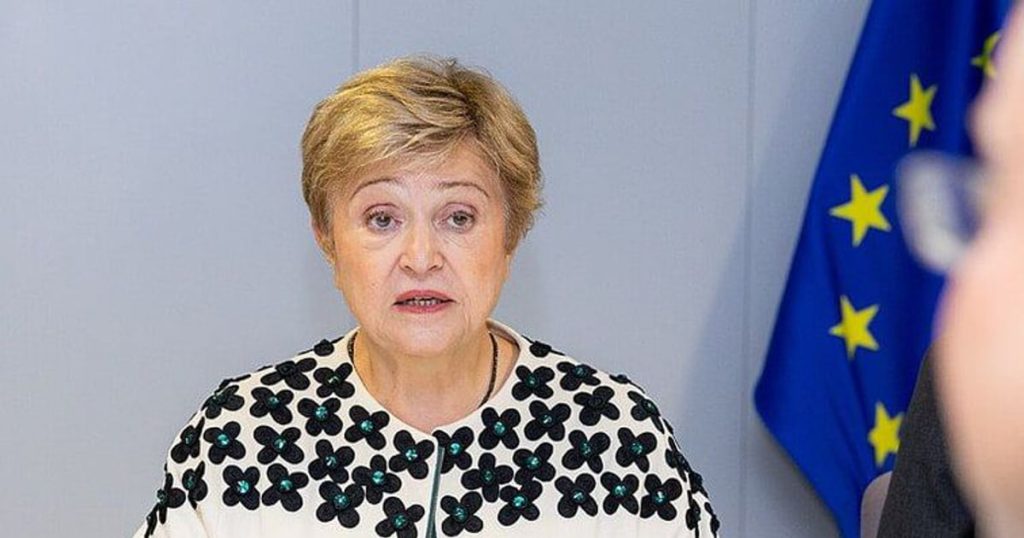
The global economy faces growing pressure from rising energy prices, record public debt and an uneven artificial intelligence boom. International Monetary Fund (IMF) Managing Director Kristalina Georgieva warned on October 7 that these forces could threaten economic stability despite continued growth. Speaking in Singapore ahead of next week’s IMF–World Bank Annual Meetings in Thailand, she urged governments to act before financial risks worsen.
Energy and debt pressures
Global growth has remained steady since spring, but economic conditions differ significantly between countries. Wars in Ukraine and the Gulf have disrupted economic activity, while energy-importing nations face higher costs. Oil prices remain around $100 per barrel, with refining shortages pushing diesel prices to record highs. Natural gas disruptions are hitting Asia and Europe particularly hard, while rising fertiliser and food costs threaten inflation and food security.
Meanwhile, global public debt is approaching 100% of GDP, nearing levels last seen after World War II. Higher borrowing costs are complicating government finances, particularly in heavily indebted advanced economies. Georgieva called for credible debt-reduction plans, stronger financial safeguards and monetary policies that keep inflation under control.
AI offers opportunities and risks
Artificial intelligence provides a contrasting source of economic growth. IMF estimates suggest AI-related hardware already accounts for more than 10% of global goods trade, benefiting major technology economies and Asian manufacturing centres. However, unequal access risks widening the economic divide between countries. Heavy investment also increases energy demand and financial concentration, creating vulnerabilities if corporate earnings disappoint.
Research suggests AI could eventually add 0.5 percentage points to annual global growth, potentially creating additional economic output equivalent to ASEAN’s economy over a decade. Achieving those gains requires digital infrastructure, workforce preparation, regulatory safeguards and international cooperation. Georgieva warned that governments must address these challenges while protecting vulnerable populations and supporting long-term economic growth.
