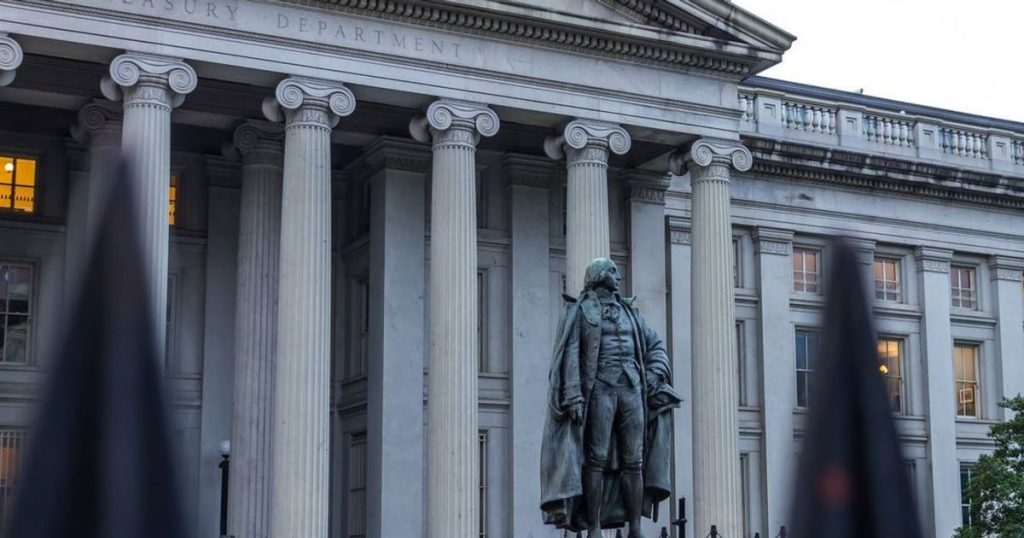
The US Treasury has stepped away from two major proposed cryptocurrency rules that would have expanded reporting requirements around private wallets and crypto mixers. FinCEN confirmed it will take no further action on proposals introduced in 2020 and 2023, giving privacy advocates a significant regulatory victory. Existing anti-money-laundering requirements remain unchanged, meaning customers using regulated exchanges will still face the same identity and compliance checks.
Wallet proposal withdrawn
FinCEN’s 2020 proposal targeted transactions involving self-custody, or unhosted, wallets where users control their cryptocurrency without relying on an exchange or bank. Financial institutions would have been required to verify customers and keep records for transactions above $3,000 involving these wallets.
Transfers exceeding $10,000, including multiple transactions reaching that amount within 24 hours, would also have triggered reports to FinCEN. Although the proposal never took effect and had already been marked as withdrawn in April 2024, the latest notice formally closes the rulemaking process.
Treasury cited recommendations from the President’s Working Group on Digital Asset Markets, whose July 2025 report supported lawful users’ ability to transact privately on public blockchains. Coinbase shares rose roughly 3% following the news, while Bitcoin slipped less than 1%.
Mixers remain under scrutiny
Another withdrawn proposal dates from 2023 and concerned cryptocurrency mixing, which makes transactions more difficult to trace by combining funds from multiple users. FinCEN had proposed treating international crypto mixing as a class of transactions of primary money laundering concern under Section 311 of the USA PATRIOT Act.
Banks and exchanges could have faced reporting requirements covering information including wallet addresses, transaction hashes and IP addresses. Critics argued the broad definition could also affect legitimate activity. Despite withdrawing the proposal, FinCEN warned that criminals continue using mixers and left open the possibility of future action.
Regulated exchanges must still follow existing Bank Secrecy Act obligations, including know-your-customer checks, suspicious activity reporting, anti-money-laundering programmes and sanctions screening. FinCEN also retains its Section 311 authority, meaning specific foreign mixing services could still face future measures.
