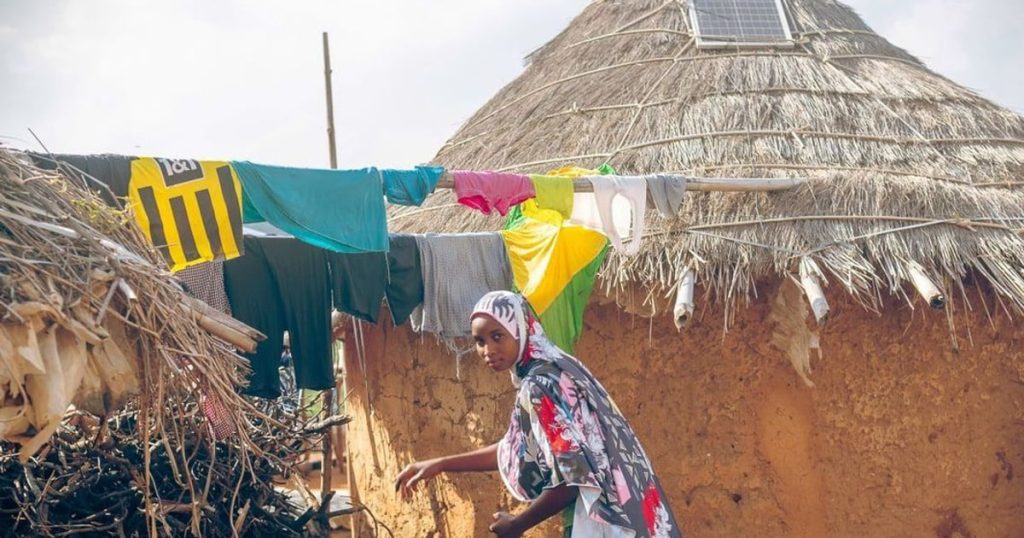
Sub-Saharan Africa could experience substantial growth in off-grid solar energy as countries seek affordable alternatives to conventional electricity sources. Falling solar module prices, rising diesel costs and expanding private investment are creating new opportunities for renewable energy deployment. A new Wood Mackenzie report forecasts a 450% increase in regional off-grid solar capacity by 2035, although financing remains a major obstacle.
Nigeria leads solar expansion
Published in September, the Wood Mackenzie report identifies Nigeria, the Democratic Republic of the Congo (DRC) and Kenya as major growth markets. Nigeria alone is expected to account for nearly 35% of projected installations, primarily driven by commercial and industrial businesses replacing expensive diesel generators. Mining operations and rural electrification will support expansion in the DRC, while Kenya is transitioning towards smaller commercial and household systems focused on reducing electricity expenses.
Other promising markets include Zambia, Ethiopia, Ghana and Tanzania, where industrial demand and first-time electricity access are encouraging deployment. The International Energy Agency previously estimated that Sub-Saharan Africa accounts for eight in ten people worldwide without electricity access.
Financing threatens growth targets
Despite favourable market conditions, Wood Mackenzie identifies expensive financing as the biggest barrier to achieving its 2035 forecast. Currency depreciation and borrowing costs exceeding 30% make solar installations difficult to finance, particularly for price-sensitive households and businesses.
Research analyst Sohan Gwalani recommends blended financing, development-finance guarantees and local-currency lending to reduce investment risks. Alternative payment arrangements, including solar leasing and pay-as-you-go services, are also helping customers access electricity without substantial upfront expenditure.
Additional revenue from appliance financing, insurance, connectivity and carbon credits could further improve project viability. Nevertheless, predictable electrification policies and affordable capital will determine how quickly the region can realise its solar potential.
