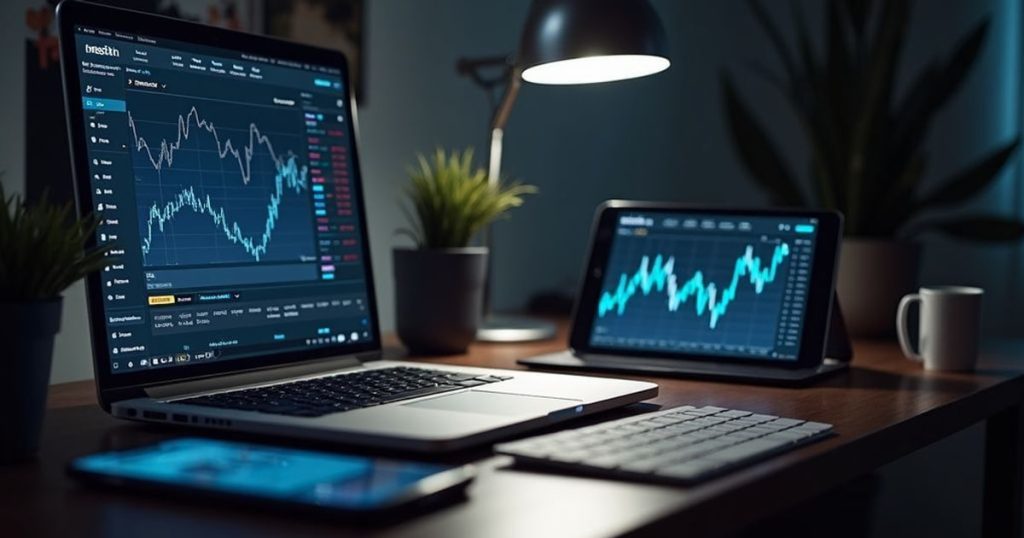
Financial clarity increasingly begins on a screen, where digital tools turn scattered income, spending, markets, and risk into signals investors can use. In 2026, stronger investment strategies depend less on guesswork and more on real-time visibility, disciplined judgment, and the ability to separate true opportunity from financial noise.
From financial noise to organized investment decisions
Financial life used to feel like a desk covered in statements, alerts, headlines, and unfinished decisions. A saver might see rising prices in one app, a falling portfolio in another, and a credit-card warning somewhere else. What should come first? Spend less, invest more, rebalance, or wait?
Modern finance tools help organize that confusion. Budgeting apps, portfolio dashboards, automated alerts, and AI-assisted analysis can connect cash flow, debt, fees, risk exposure, and long-term goals in one clearer view. The value is not magic. It is structured. When investors see the full picture, emotional reactions lose some power. Better tools make investment strategies easier to review before panic or excitement takes control.
The trend is already visible. The World Economic Forum reported in 2025 that 80% of surveyed fintech firms were implementing AI across multiple business areas. McKinsey also found that finance teams are using AI to deliver faster insights, stronger controls, and measurable results.
Why clearer data builds stronger investment strategies
The next advantage will belong to investors who treat data as a compass, not a crystal ball. Clearer information can reveal whether a portfolio is too concentrated, whether fees are quietly reducing returns, or whether a short-term move conflicts with a five-year goal.
Still, technology needs human judgment. FINRA’s 2026 research found higher fraud exposure among social media users and finfluencer followers, suggesting that louder information is not always better. The better-positioned investor will use digital tools to question trends, compare scenarios, and stay disciplined. In a volatile decade, growth will come from turning clearer data into calmer decisions, stronger habits, and more resilient investment strategies.
