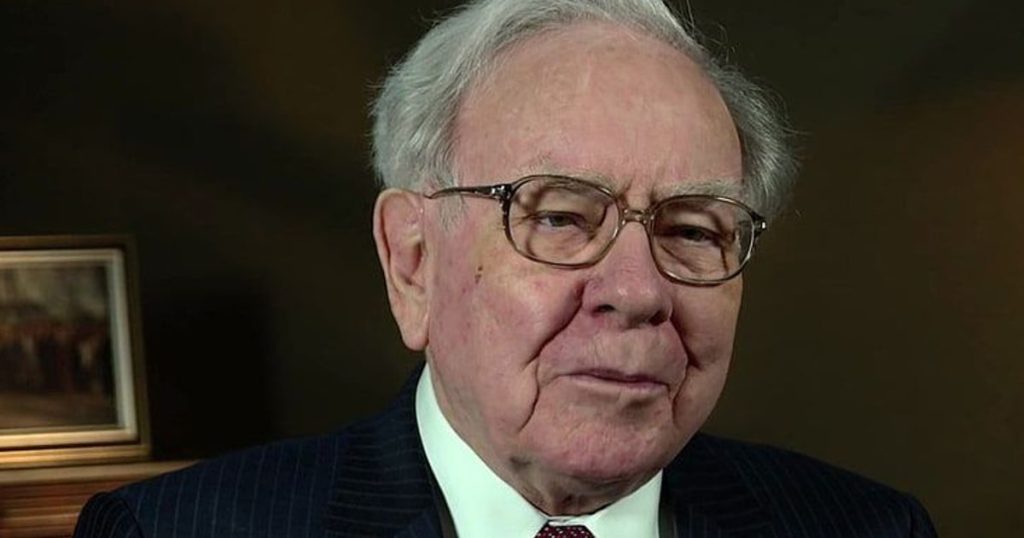
Markets opened stronger again this spring as investors watched global indexes climb with renewed confidence. Many believed inflation pressures were finally easing across Europe and the United States. Yet experienced analysts saw deeper risks forming beneath those gains. Warren Buffett once warned, “What the wise do in the beginning, fools do in the end.”
Confidence hides structural weaknesses
Equity markets continue climbing even as manufacturing output weakens in several major economies. Export-driven industries are also struggling with weaker global demand and ongoing energy pressures. Low market volatility often signals investor comfort during uncertain cycles. However, history repeatedly shows that calm markets can suddenly reverse direction.
Berkshire Hathaway’s cash holdings, approaching $397 billion, have ignited global discussions among institutional investors. Analysts largely view this as strategic patience, though some argue that growing consumer pressure could ultimately influence how these enormous funds are allocated.
Consumer pressure is becoming increasingly visible. Families continue reducing discretionary spending as food, rent, and energy bills remain elevated. Geopolitical instability in the Middle East also continues disrupting supply expectations and commodity pricing. These pressures create difficult conditions for sustained economic expansion and stable investment decisions.
Patience during heated markets
Despite economic strain, investors continue pouring capital into technology and growth-focused equities. Expectations surrounding future interest-rate cuts still support aggressive market positioning. This optimism has pushed valuations far above historical averages in several sectors. Such conditions often increase vulnerability to abrupt market corrections.
Past financial cycles reveal a familiar psychological pattern before downturns emerge. Investors frequently chase momentum while ignoring deteriorating economic fundamentals. Buffett addressed this behavior directly when he said, “Be fearful when others are greedy and greedy when others are fearful.” His disciplined approach reflects how successful Investing depends more on valuation awareness than emotional enthusiasm.
Long-term investors may benefit more from preparation than aggressive market chasing today. Building watchlists and preserving liquidity can create opportunities during future volatility. Careful portfolio planning also reduces emotional decision-making during uncertain economic periods. In today’s environment, disciplined investing remains essential for financial stability and long-term resilience.
