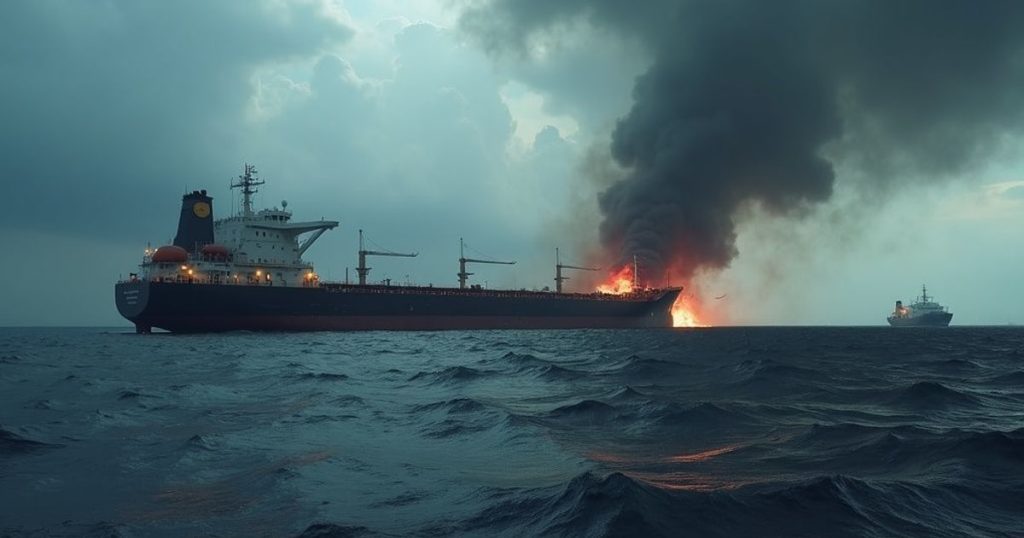
The International Monetary Fund has warned that the Iran conflict is no longer a contained crisis. It is reshaping the global economy in lasting ways. What began as geopolitical tension has grown into a broader economic concern. It is now influencing trade, inflation, and growth. As a result, economists are reassessing the global economic outlook with greater caution.
Energy disruption reshapes global growth path
According to Kristalina Georgieva, expectations of a quick recovery are unrealistic. She stressed that even favorable scenarios will not restore previous economic conditions. The conflict has exposed vulnerabilities that had been building quietly across global markets.
Risks of a blockage around the Strait of Hormuz have pushed oil prices higher. Energy costs have surged, driving up transport and manufacturing expenses. This has accelerated inflation while weakening consumer demand, a pattern already visible across multiple regions.
IMF projections now indicate slower global growth than earlier estimates, at 3.3 percent. At the same time, rising fertilizer and shipping costs are worsening food insecurity, affecting tens of millions. These interconnected shocks are reshaping the global economic outlook. Their effects are being felt both in the short term and over the long term.
Uneven burdens strain vulnerable economies most
The economic strain is falling hardest on low-income countries dependent on imported energy. Small island states are also facing mounting pressure. Higher fuel and transport costs are weakening fiscal stability. They are also limiting access to essential goods.
The Organisation for Economic Co-operation and Development has highlighted risks facing advanced economies. The United Kingdom is expected to experience weak growth alongside elevated inflation. Higher energy costs, higher taxes, and rising borrowing costs drive this.
Global institutions are preparing financial assistance, with billions in emergency support under discussion. However, Georgieva cautions against protectionist measures such as export bans or price caps. She warns that such steps could worsen shortages and fuel inflation. This would further strain an already fragile economic environment.
