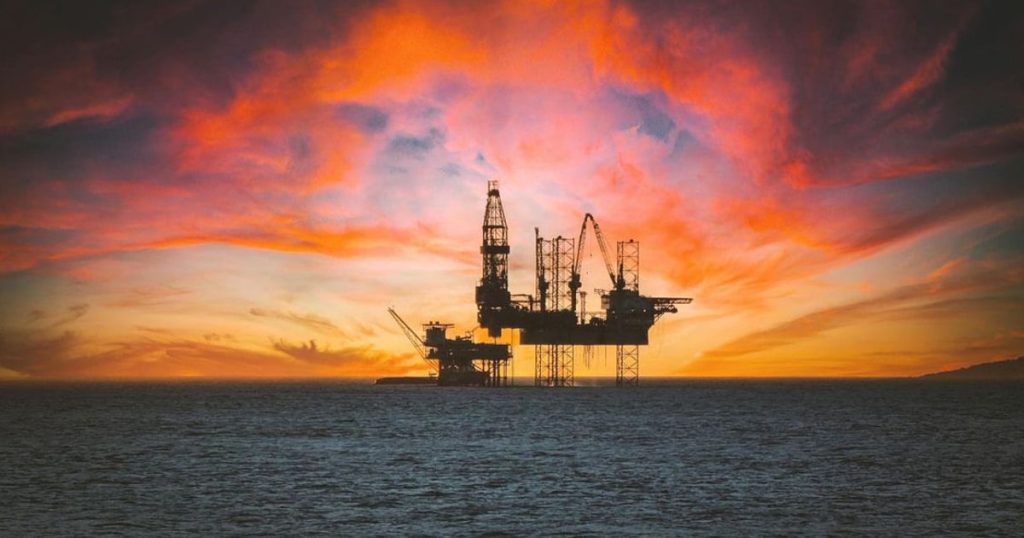
The global economy is under pressure as oil and LNG prices rise. Tensions in the Middle East are driving the surge. Higher energy costs may increase inflation and slow growth. Asian markets are especially vulnerable. Policymakers and investors are closely watching. Energy-importing nations face the greatest impact.
Rising energy costs strain economies
The IMF warns that increasing energy prices pose significant risks. Kristalina Georgieva, IMF Managing Director, said a 10% increase over a year could raise inflation by 0.4 percentage points. Growth could slow by 0.1% to 0.2%. Small changes can ripple through supply chains, affecting manufacturing and consumer spending.
Asian markets are highly vulnerable because they rely heavily on imported oil and LNG. China, Japan, South Korea, and India receive much of their energy through the Strait of Hormuz. If tensions continue, supply chains could be disrupted. Investors are shifting away from technology stocks. They expect rising energy costs to delay interest rate cuts.
South Korea’s stock market, once a top global performer, faced heavy sell-offs. The hardest hit were tech and chip companies. This volatility shows how energy prices affect economic stability. Rising energy costs are dominating current economic news.
Implications for global financial stability
Beyond Asia, the energy shock may affect global inflation and growth. Policymakers must balance economic support with controlling inflation. Central banks are watching closely. They want to prevent spillovers into consumer prices and investment.
Financial analysts say energy-importing nations may need targeted assistance. The IMF is exploring ways to support vulnerable economies if the crisis worsens. Continued price volatility could deter investment. It may also disrupt trade and increase market uncertainty worldwide.
In the short term, energy price changes will dominate economic news. They will influence forecasts and policy decisions. Experts say markets and governments must stay vigilant. Careful action is needed to maintain growth and financial stability.
