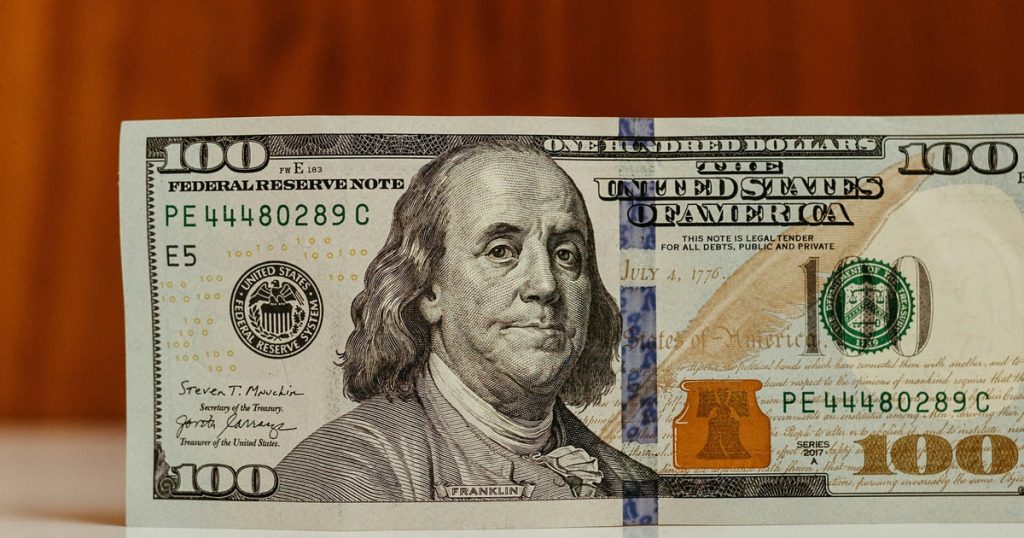
What really moves the U.S. dollar? It’s not just one thing. It’s the economy, investor choices, and global trade all working together. At the simplest level, it comes down to supply and demand. More people want dollars? The price goes up. Fewer people want them? It falls. But what makes people want dollars in the first place?
Start with the economy. When the U.S. economy looks strong, investors around the world pay attention. Why? Because they’re looking for safety and returns. If they want to buy U.S. government bonds or American company stocks, what do they need first? Dollars.
So they sell their own currency, buy dollars, and invest. That extra demand pushes the dollar higher. It also helps cover the trade gap that happens when the U.S. imports more than it exports.
Trade and dollar’s safe-haven pull
Trade matters too. When other countries buy American goods, they usually pay in dollars. That creates demand. On the flip side, when the U.S. buys more from abroad, dollars flow out. What about tariffs?
They can reduce imports or shift trade patterns, which can change how many dollars move in or out. Even during trade disputes, the dollar stays at the center of global business.
Then there’s the “safe place” factor. When the world feels shaky, where does money often go? Into U.S. dollars. During wars, recessions, or market panic, investors tend to park cash in dollar-based assets.
Jobs, inflation, and investor nerves
Confidence also plays a big role. Stable politics, steady jobs, and low inflation, these build trust. Uncertainty does the opposite. If investors get nervous, they may pull money out and switch back to their home currency.
In the end, traders watch jobs reports, growth numbers, and price trends. The government can influence conditions, but the dollar’s value is decided every day in the global currency market.
