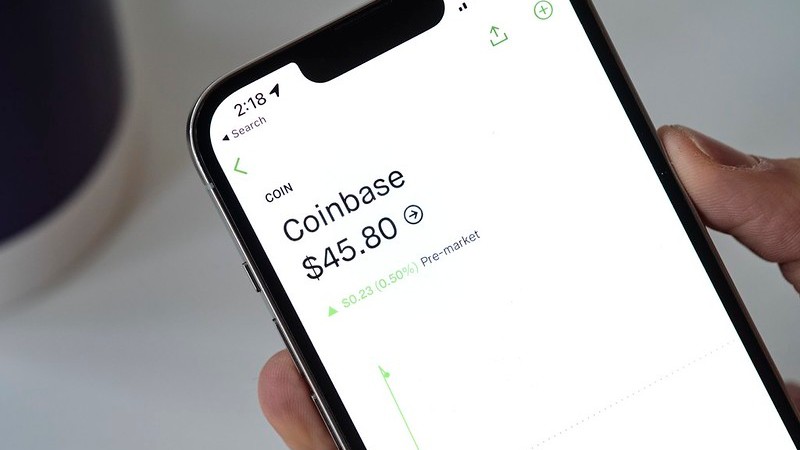
Coinbase is evolving from a cryptocurrency-focused exchange to a more comprehensive financial platform that integrates several asset classes into a single app. Prediction markets, decentralized trading access, and conventional finance tools are being added to digital asset trading. This action places Coinbase at the intersection of cryptocurrency, fintech, and stock market insights, reflecting a broader fintech push to streamline investing through unified platforms.
Broadening access to stocks and tokenized assets
For US users, Coinbase has introduced commission-free stock trading, making it possible to buy and manage cryptocurrencies and stocks through a single interface. There are plans for almost constant weekday access, along with extended trading hours.
In line with wider innovation in banking and investing, the company is creating Coinbase Tokenize, an institutional platform for tokenizing real-world assets, and preparing stock-linked perpetual futures on a global scale. These efforts align with broader investing and banking innovations globally.
Prediction markets enter the mainstream
Through a partnership with Kalshi, a regulated event-based trading platform, Coinbase has added prediction markets to its app. Users can trade contracts tied to outcomes in various areas, including economics, politics, sports, and culture, with relatively small amounts of capital. This feature positions Coinbase alongside other major platforms entering the prediction market space. The integration reflects growing interest in alternative investment strategies that blend data-driven forecasting with market participation.
A unified app with new risks and opportunities
Additionally, Coinbase has integrated access to decentralized exchanges based on Solana, making it possible to trade Solana tokens directly within the app. The company’s goal of becoming an all-in-one exchange is supported by these additions taken together. Analysts continue to emphasize the significance of regulatory oversight and risk awareness as retail investors gain access to more complex financial products, even though the unified approach may increase engagement and convenience.
