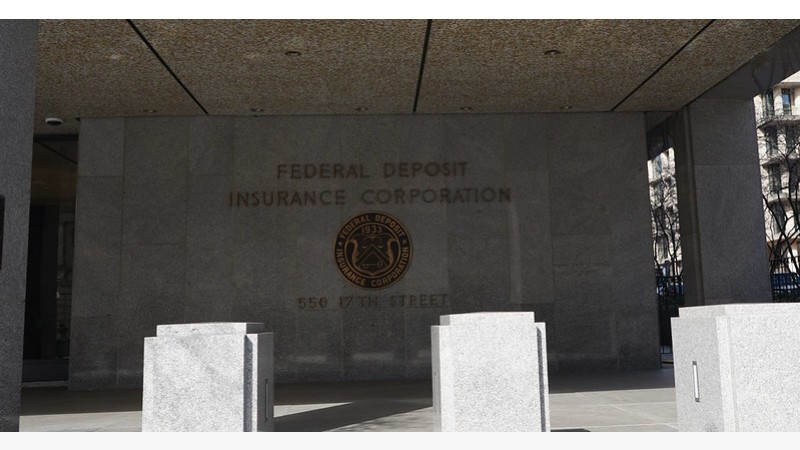
The FDIC is stepping deeper into digital finance as U.S. regulators prepare for a future in which blockchain becomes a routine part of banking. New guidance is now in development to ensure that tokenized deposits, once placed on a distributed ledger, continue to receive the same insurance protections as funds held in a traditional account.
At the Philadelphia Fed’s Fintech Conference, Acting Chair Travis Hill stressed that a deposit’s legal identity does not change when converted into a blockchain-based form. He explained that tokenized deposits issued by FDIC-insured banks must remain fully protected up to the standard $250,000 limit. His remarks come as more institutions explore blockchain rails for faster settlement, improved transparency, and real-world asset tokenization.
Stablecoin framework development
Banks are not the only focus of the agency’s work. The FDIC is also building a formal application system for regulated stablecoin issuance, with a proposal expected by the end of 2025 under the GENIUS Act. The framework will outline expectations for reserves, capital strength, and risk controls at a time when stablecoin circulation has climbed to about $305 billion, according to DefiLlama.
Real-world asset tokenization is accelerating as well, surpassing $24 billion this year and attracting major players such as BlackRock, which launched its BUIDL tokenized money market fund in 2024. This momentum is pushing regulators to give banks clearer rules so they can adopt blockchain technology without uncertainty.
Pass-through protection concerns
Hill also pointed to rising risks in fintech partnerships that rely on pass-through deposit insurance. He warned that protections may be jeopardized when third-party providers fail, making oversight more urgent as these platforms scale.
Meanwhile, the Deposit Insurance Fund continues to recover from pandemic-era lows and is expected to reach its statutory target by late 2025. Together, the FDIC’s initiatives reflect a broader shift toward integrating blockchain innovation with long-standing consumer safeguards in the U.S. financial system.
