Cross-border payments are transforming the financial world, reshaping how money moves globally. Banks are now under pressure to offer faster, more transparent, and cost-effective services. Driven by customer demand and digital technologies, these innovations are changing traditional banking practices and redefining the role of financial institutions in global commerce.
The imperative for modernization
The 24/7 digital economy demands real-time transfers, yet many banks still rely on slow, costly, and opaque systems. Traditional networks involve multiple intermediaries, creating delays and higher fees that frustrate both businesses and individuals.
To remain competitive, banks are modernizing their infrastructure. Upgrading payment systems and adopting new technologies is no longer optional, it is a strategic necessity. Financial institutions are investing in automation, better data standards, and partnerships to streamline processes.
This modernization also strengthens customer trust. Clients now expect banks to provide fast, reliable, and transparent services. By improving speed and clarity in cross-border payments, banks can enhance loyalty and position themselves as leaders in global finance.
Emerging technologies and industry disruption
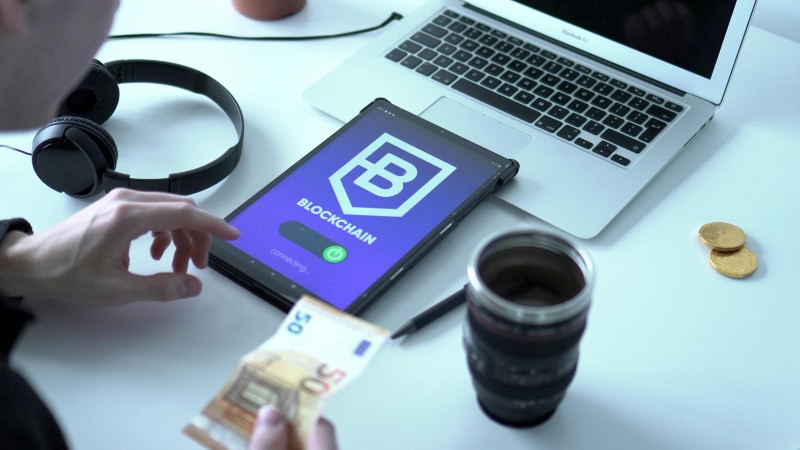
Banks are increasingly embracing blockchain and digital assets, including stablecoins, to reduce settlement times and costs. While regulatory and interoperability challenges exist, these tools allow banks to offer near-instant payments while maintaining security and compliance.
The ISO 20022 messaging standard is helping banks exchange richer data globally. By improving accuracy and reducing errors, this standard supports faster, more efficient transactions across international networks.
Fintech partnerships are also key. Banks collaborate with innovative startups to optimize cross-border payment flows and connect directly with local systems. This reduces intermediaries and aligns services with growing customer expectations for seamless digital payments.
As banks integrate these advancements, the industry continues to evolve. The push for speed, transparency, and efficiency underscores the critical role of banking innovations in shaping the future of global finance.
