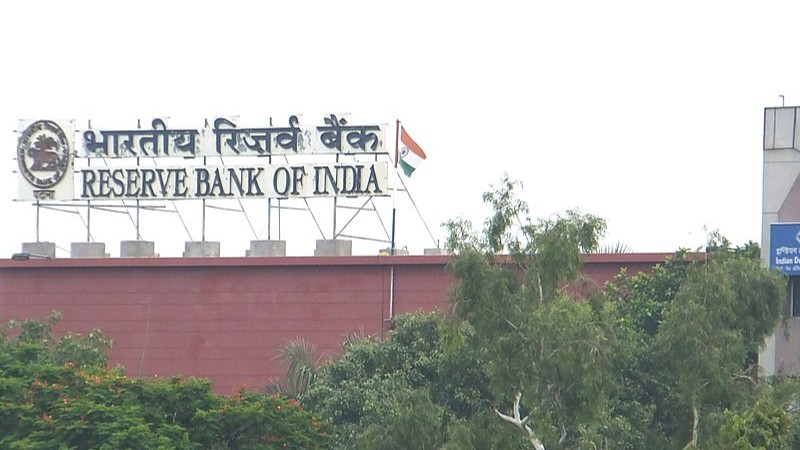
India is heading into 2026 with a rare mix of monetary flexibility and policy ambition, and that combination is shaping expectations across markets and industry. A new report from IIFL Capital suggests the Reserve Bank of India still has space to cut interest rates further, even after an aggressive easing cycle last year.
At the heart of the argument sits inflation. Core consumer price inflation remains well below the policy repo rate, leaving a gap of about 2.8 percentage points. Over the past seven years, that spread has averaged closer to 1.1 points.
With price pressures contained, IIFL believes the RBI could lower rates by another 50 basis points in 2026 without risking stability. December’s 25-basis-point cut, which took the repo rate to 5.25 percent, capped total reductions of 125 basis points in 2025 and marked a clear shift toward growth support.
There is room for more cuts (50bps), given that repo minus core inflation is well above its historical avg., and inflation is low
IIFL Capital
Domestic tailwinds
Lower borrowing costs are expected to filter through the economy this year, especially for banks. Easier credit conditions tend to lift loan demand, improve margins, and encourage investment. That domestic momentum matters more now, as global central banks offer limited help and trade conditions remain unsettled.
Tariffs and geopolitics are reshaping global commerce. The United States started the year with broad tariff hikes before moving toward bilateral negotiations, while Mexico has raised duties on countries without trade deals. Against that backdrop, India is reassessing how it protects its industries while staying competitive.
Policy reform is already moving. GST 2.0 has improved compliance and consumption, reflected in a 15 percent rise in GST collections in November 2023. Attention is now shifting to customs. Budget 2026 is expected to push further tariff rationalisation, reduce exemptions, and tackle long-running disputes that add cost and uncertainty for businesses.
Outlook and market upside
Growth expectations are firm. GDP expansion is projected to pick up in 2026, supported by reforms, export-focused investment, and a competitive rupee. Capital spending is likely to revive in the second half of FY27. Equity markets are watching closely, too.
Valuations sit near 20.4 times earnings, but stronger profits could lift the Nifty by around 15 percent, with small-cap stocks following later. With oil prices hovering near USD 65, inflation risks remain manageable, keeping the policy door open.
