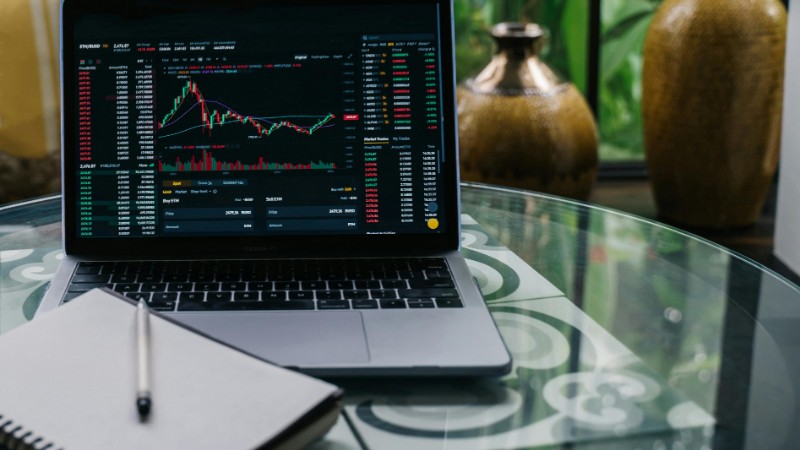
As 2026 unfolds, the stock market reflects a more measured investment environment shaped by economic recalibration, clearer policy direction, and shifting corporate priorities. After several years of sharp swings driven by global disruptions and aggressive monetary changes, equity markets now favor patience. Thoughtful analysis matters more than impulse. Discipline, rather than speed, increasingly separates consistent performers from reactive participants.
A market defined by fundamentals
Stock market performance in 2026 is increasingly anchored to business fundamentals. Earnings quality, balance sheet strength, and sustainable growth models are receiving renewed attention. Investors are watching cash flow stability and pricing power closely, treating them as indicators of durability rather than short-term momentum.
Large-cap companies with predictable revenue continue to serve as portfolio anchors. At the same time, select mid-cap firms are gaining attention for their ability to adapt to technology shifts and changing consumer behavior. Instead of chasing headlines, investors are rewarding operational execution and long-term vision.
Sector rotation and risk awareness
As economic conditions stabilize, sector rotation has become a valuable tool for navigating changing market cycles. Cyclical sectors such as industrials, financials, and consumer discretionary often perform well during periods of expansion, while defensive areas like healthcare and utilities tend to offer stability when growth moderates. Recognizing these patterns helps investors adjust portfolio weightings without losing sight of long-term goals.
Risk management remains equally important. Diversifying across sectors, geographic regions, and market capitalizations reduces dependence on any single outcome. Careful attention to valuation further protects capital, as even high-quality companies can underperform if purchased at unsustainable price levels.
Looking ahead
In 2026, successful stock investing emphasizes preparation over prediction. Patience, valuation awareness, and steady compounding shape long-term outcomes. As markets stabilize, investors who stay disciplined and focused on fundamentals are better positioned to navigate uncertainty and build durable portfolios over time.
