Global financial markets are searching for stability this month after a year marked by sharp pullbacks, slowing growth, and renewed policy uncertainty. Persistent inflation, weaker consumer demand, and trade tensions have combined to test investor confidence, while central banks cautiously move toward easing to prevent a deeper slowdown.
Market volatility intensified earlier in the year following aggressive tariff announcements and signs of U.S. economic deceleration. The S&P 500 recorded its steepest weekly loss in April, while contracting GDP data and softening retail sales signaled cooling demand. Technology stocks, particularly AI-linked names, faced notable corrections as valuation concerns replaced earlier optimism. Major players across semiconductors and software saw sharp declines when revenue outlooks failed to meet elevated expectations.
Defensive sectors and rate cuts
In response, investors rotated away from speculative growth and toward sectors with steadier cash flows and pricing power. Utilities, healthcare, and select real estate assets gained favor as rate-sensitive areas poised to benefit from easing monetary policy. Falling bond yields also pushed income-focused investors toward dividend-paying equities viewed as more resilient in a slowing economy.
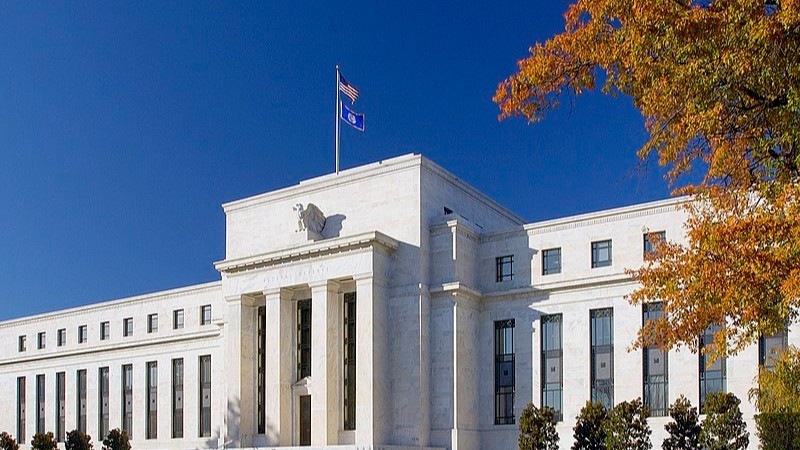
Central banks have played a stabilizing role. The Federal Reserve is widely expected to deliver a 25-basis-point cut in December, lowering rates to the 3.50–3.75% range to support the labor market despite inflation remaining above target. The Bank of England is projected to follow with similar easing, while the European Central Bank remains more cautious due to stubborn price pressures.
Heading into 2026, markets face a delicate balance. Equity forecasts remain cautiously positive, supported by expected rate cuts and steady earnings growth, but volatility is likely to persist. Investors are increasingly focused on fundamentals, profitability, and resilience as the era of growth-at-any-cost gives way to a more disciplined market environment.
