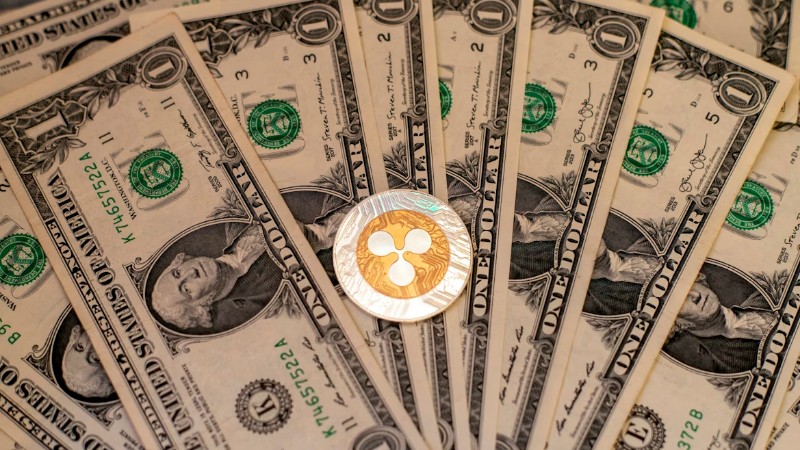
Crypto firms have spent years asking for a place inside the traditional financial system. This week, the U.S. banking regulator finally made room. The OCC or Office of the Comptroller of the Currency has conditionally approved five digital asset companies to operate as national trust banks, bringing parts of the crypto sector closer to federal oversight. The list includes Ripple, BitGo, Fidelity Digital Assets, Paxos, and First National Digital Currency Bank, which will launch a new trust bank from scratch.
These major firms are not becoming full-service banks. National trust banks focus on custody, settlement, and fiduciary services, not deposits or lending. That boundary is important. It limits consumer risk while still allowing crypto firms to safeguard assets, move funds, and serve institutional clients under federal supervision.
Ripple’s federal and state oversight
For Ripple, the approval is especially notable. After filing its application in July, the company is now on track to launch Ripple National Trust Bank, pending final sign-off. If completed, the charter would place Ripple under OCC oversight while its RLUSD stablecoin remains supervised by New York regulators, creating a rare dual-regulatory setup. CEO Brad Garlinghouse has called it the toughest compliance framework available in the U.S.
Behind the scenes, this decision fits into a broader regulatory reset. The OCC has recently clarified that national banks can hold crypto to pay network fees and carry out low-risk transactions on behalf of customers. Those moves help explain why federal regulators are now opening the door, carefully.
Debanking claims
Just days earlier, the OCC released findings showing large banks did restrict lawful businesses, including crypto firms, between 2020 and 2023, largely over reputational concerns. What the review did not find was a coordinated campaign to shut crypto out entirely.
So what does this signal? Federal access is expanding, but only for firms willing to play by traditional rules. An industry long accused of avoiding oversight now faces a telling shift that could reshape how crypto fits into the U.S. financial system.
