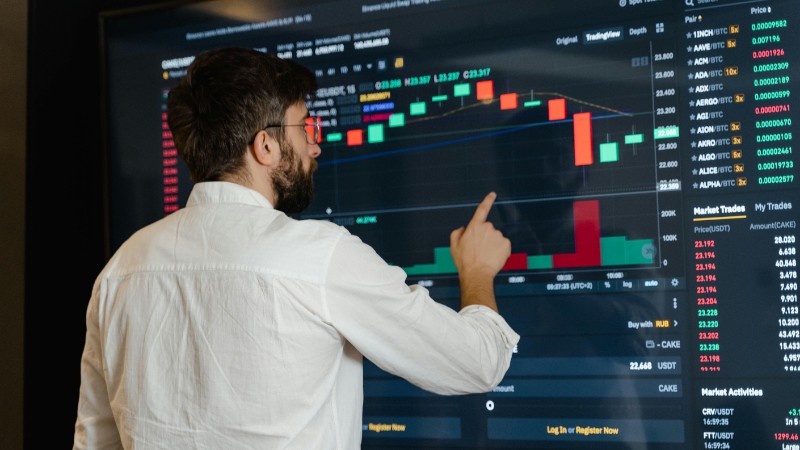
As 2026 edges closer, investors are trying to read the markets like a slightly confusing group chat. Significant index gains, AI buzz, and shifting interest rates all compete for attention. Beneath the noise, the real question remains: which investment strategies actually help portfolios ride the next wave instead of being wiped out?
Everyday investment strategies in action
Market trends for 2026 currently orbit around artificial intelligence, resilient consumer spending, and the slow-motion saga of central bank policy. Some see AI as the new dot-com bubble; others view it as a once-in-a-generation productivity engine transforming how businesses operate. Either way, investors who understand their risk tolerance can decide how loudly these themes should speak inside their portfolios.
Instead of chasing headlines, many investors build a core mix: money market funds and Treasury bills for near-term needs, bonds and fixed-income funds for stability, and equity funds for long-term growth potential. Diversifying across sectors and regions, and even adding a dash of gold, helps soften shocks when one storyline goes off script on dramatic news days. These everyday investment strategies take headlines and turn them into useful pieces, not strict rules to follow..
Turning market noise into plans
The math behind long-term wealth still favors boring consistency. Thanks to compounding, steady contributions can turn modest sums into surprisingly solid future balances, especially when investors resist the urge to time every peak and dip during noisy news cycles. Historical data, compiled by sources such as Investopedia, shows that missing just a handful of strong market days can dramatically reduce lifetime returns for patient savers.
Fees and taxes, meanwhile, play the quiet villains in many sensible portfolios. High expense ratios slowly siphon gains, making low-cost index funds and ETFs (Exchange-Traded Fund) compelling building blocks for 2026-focused portfolios and beyond. Tax-loss harvesting, where losing positions are sold to offset gains, can further boost after-tax results over time. By pairing awareness of evolving 2026 market trends with clear, personal investment strategies, investors move from anxious spectators to deliberate directors of their financial story.
