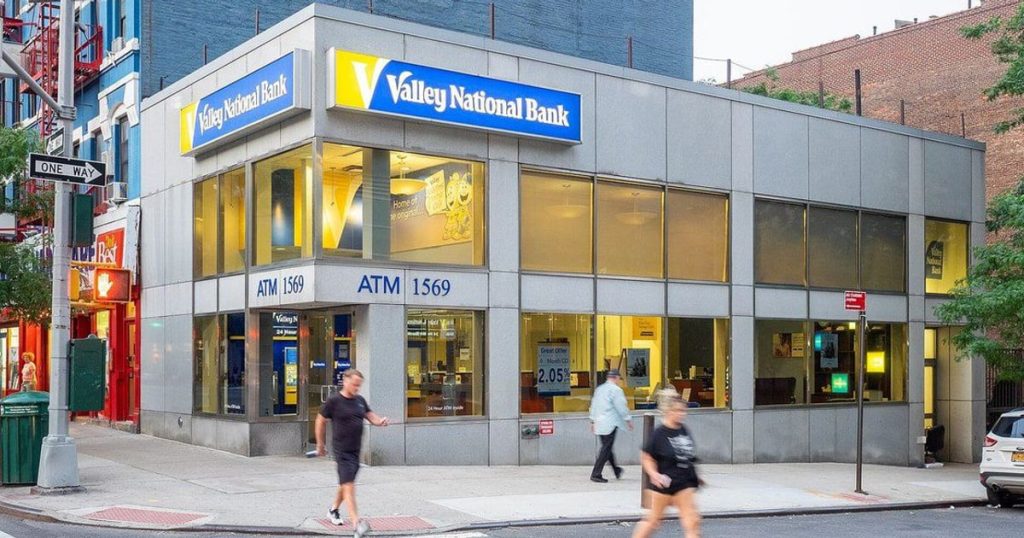
Valley bets $340 million on fintech Bluevine to change how small businesses bank. Announced September 28, 2026, the proposed acquisition pairs Valley’s established banking infrastructure with Bluevine’s digital reach. Its immediate attraction, however, lies in deposits that could lower Valley’s funding costs over time and strengthen its small-business lending capabilities.
Why Bluevine’s deposits matter most
As of June 2026, Bluevine served approximately 175,000 active small-business customers and had generated $2.1 billion in deposits through its platform. Valley’s investor presentation put their cost at 1.44%, against 2.28% for Valley’s deposits. That 84-basis-point difference matters because cheaper funding can help support lending and protect margins. Bluevine’s platform deposits grew at a 35% compound annual rate from 2023 through the second quarter of 2026.
Those deposits currently sit with a partner bank, so transferring them is a future step, not an immediate benefit. Valley expects to onboard them within three to six months after closing, subject to transition provisions. Beyond funding, Bluevine brings digital payments, lending, and financial-management tools. Combined with Valley’s branch network and balance sheet, these capabilities could give smaller companies more ways to manage money and obtain credit.
How Business banking could change
For Bluevine’s customers, little changes immediately. The company says account access, account numbers, cards, pricing and support remain unchanged before closing. It expects future access to Valley branches, Zelle and additional credit products, but has offered no specific timetable for these changes. That distinction matters: success depends on adding services while preserving the simplicity many existing customers value.
Customer loyalty also shapes the investor case. Valley projects the acquisition will lift estimated 2028 earnings per share by approximately 8%, including synergies, while reducing tangible book value by about 5% at closing. Both figures are forecasts. Regulatory approvals remain, with closing expected in early 2027. The question is whether Valley can turn lower-cost funding and digital reach into sustainable small-business relationships.
