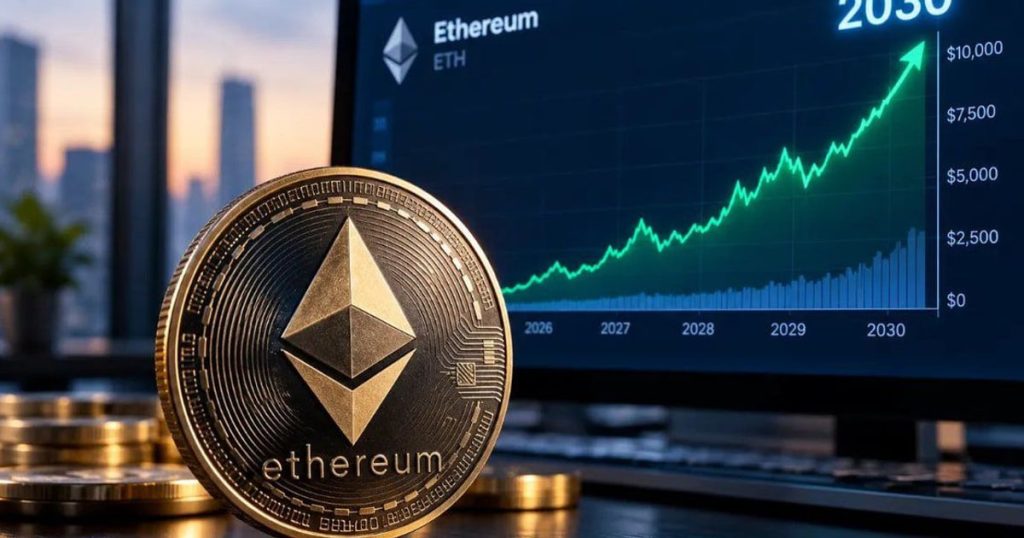
Ethereum has big plans for the next four years, but investors may want to keep their expectations in check. Co-founder Vitalik Buterin believes the network could become something far more powerful than a traditional blockchain by 2030. The question is whether these technological improvements will give people enough reason to buy more ETH.
Major upgrades are coming
Buterin recently described a future in which Ethereum becomes a “cryptographic world computer.” His vision combines the original principles behind Bitcoin with advanced cryptography, allowing the network to handle more complex operations. Much of this transformation could begin after Hegota, an upgrade scheduled for 2027. Considered Ethereum’s last conventional update, it would precede a series of more ambitious developments.
Future changes will target faster transaction processing, greater efficiency, stronger privacy protections and security against quantum computing threats. Some could prove even more complicated than the Merge, which moved Ethereum from proof-of-work to proof-of-stake in September 2022. Such improvements could significantly expand the network’s capabilities, although their impact on ETH’s value remains uncertain.
Better technology, higher prices
There’s a catch for investors hoping these improvements will send Ethereum’s price soaring. History suggests that major upgrades do not necessarily produce equally impressive returns. Ethereum traded around $1,472 when the Merge happened in September 2022. By October 6, its price had reached approximately $2,700, representing annualised gains of roughly 15% to 20%.
Those returns are respectable, but they hardly guarantee another major rally. Writing for The Motley Fool, Dominic Basulto argued that investors ultimately care about results rather than technological complexity. Growing adoption, stronger revenue and expanding market share could therefore matter more than the upgrades themselves. At the end of the day, Ethereum’s price in 2030 will depend on whether its technological progress creates enough demand to justify a higher valuation.
