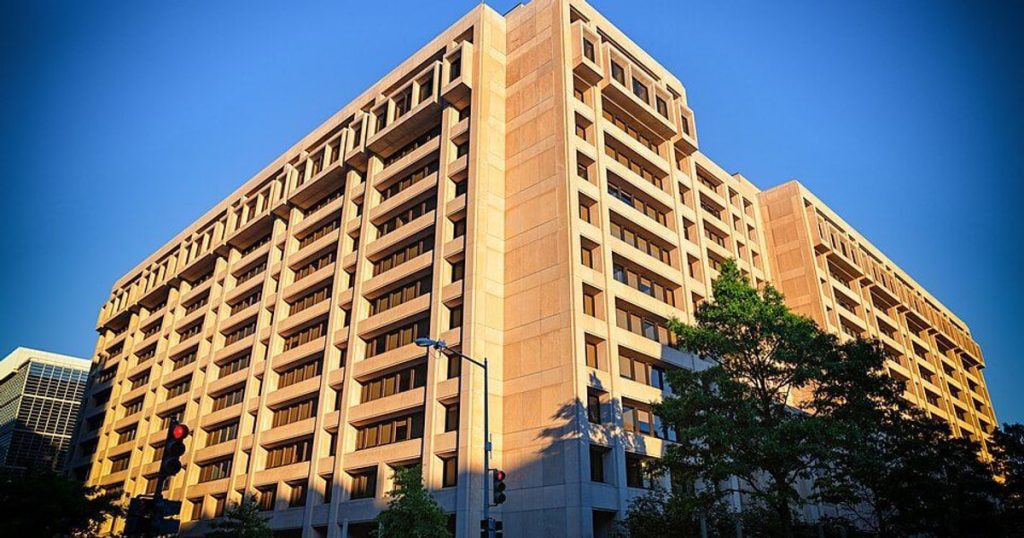
The global economy is entering a defining period of recalibration in 2026 as inflation pressures, geopolitical uncertainty, and shifting monetary policies reshape market direction. Investors are facing a more complex environment in which slower growth and persistent price risks are reshaping financial strategies worldwide. The International Monetary Fund (IMF) projects global growth at 3.0% in 2026, while inflation remains elevated at 4.7%, highlighting the challenges shaping the global economic outlook.
Geopolitical risks reshape markets
Recent financial news shows that geopolitical tensions shift are increasingly influencing global markets. Conflicts, energy disruptions, and trade uncertainties are affecting economic forecasts, commodity prices, and investor confidence. The IMF noted that energy shocks and geopolitical developments have weakened growth expectations while creating additional inflation risks.
These pressures are already visible in financial markets. In August 2026, investors closely monitored oil prices, bond yields, and currency movements as uncertainty surrounding global conflicts affected market sentiment. Reports showed that rising geopolitical concerns contributed to higher energy costs and increased pressure on bond markets, forcing investors to reassess economic risks.
How will markets respond to continued uncertainty? Investors are increasingly relying on stock market insights to evaluate opportunities, manage risks, and adjust portfolios. Market performance is now influenced not only by corporate earnings but also by political stability, energy security, and government policy decisions.
Inflation and rates redefine markets
Inflation and interest rates will continue shaping financial decisions throughout 2026, but uncertainty does not eliminate opportunity. Businesses and investors that understand economic signals, strengthen resilience, and adapt strategies can position themselves for long-term growth. As markets continue adjusting to changing policies, evolving technologies, and global challenges, informed decision-making will become a key competitive advantage.
The next stage of the global economy will be defined not only by risks but also by innovation, investment, and transformation. Those prepared to respond to change will be better positioned to discover new opportunities and contribute to a more resilient financial future.
