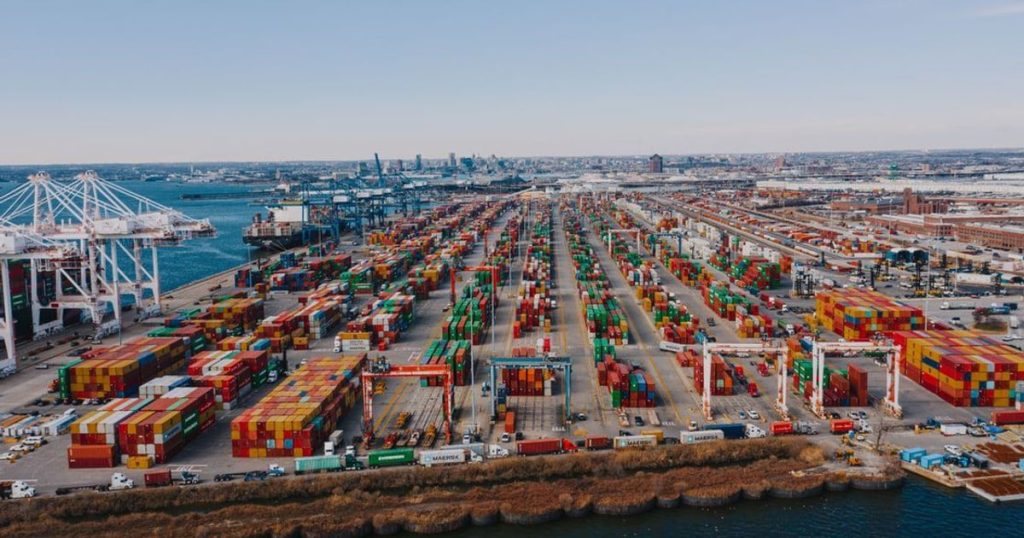
Washington’s latest tariff reset targets 60 trading partners representing 99.4% of U.S. goods imports, although numerous products remain exempt. Duties of 10% or 12.5% produced limited immediate market disruption, yet their broad reach gives investors worldwide reason to carefully reassess costs, inflation exposure, and portfolio resilience for the months ahead.
Tariffs redraw the investment landscape
The measures rely on Section 301 of the Trade Act. This approach replaces earlier reliance on the International Emergency Economic Powers Act, following the Supreme Court’s finding that it granted no presidential tariff authority. Section 301 has survived previous challenges, potentially giving the latest duties a firmer legal footing.
However, affected businesses and governments may still pursue exclusions, negotiations, or litigation. Australia and Brazil called the tariffs unjustified, while Brazil formally requested consultations with the World Trade Organization (WTO).
Despite the diplomatic disputes, financial markets responded cautiously. Bond yields edged higher, but overall reaction remained limited amid geopolitical concerns. Trade specialist Dan Ujczo described the move as “the end of the beginning” of the tariff agenda. Investors may favor companies with pricing power, diversified suppliers, strong cash flow, and manageable debt.
Diversification strengthens strategy amid uncertainty
Global diversification cannot eliminate tariff risk, but it can prevent one country, sector, or policy shift from dominating portfolio outcomes. A broad fund, such as the Vanguard Total World Stock ETF, spreads exposure across American and international companies. Its structure offers reach, not protection. Prices can fall, currencies can move sharply, and past performance never guarantees future gains.
The approach emphasizes discipline. Investors can rebalance, maintain liquidity, and combine equities with assets aligned to goals and risk tolerance. Tracking which industries absorb tariffs and which pass costs to customers can reveal where pressure is building. Uncertainty calls for selectivity and adaptability. Diversified investors can preserve flexibility while remaining positioned for the next phase of global growth.
