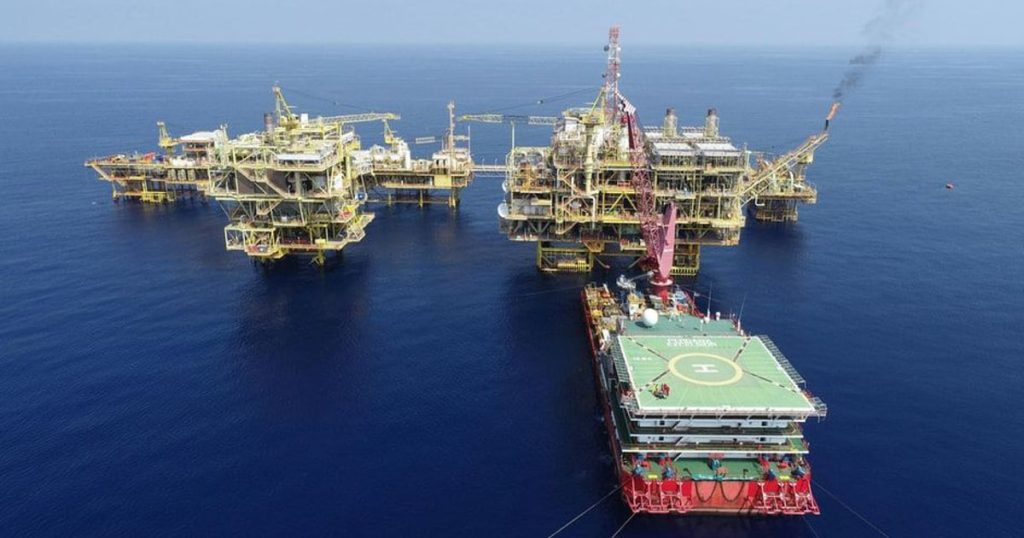
Economic growth in Europe and Central Asia is slowing. This creates challenges for emerging and developing markets. Rising energy costs are a major obstacle. Geopolitical tensions add further pressure. The World Bank warns these factors are reshaping the global economic outlook. Risks extend beyond the region and affect global market stability.
Energy prices weigh on growth
Rising energy prices are a central concern for Europe and Central Asia. Businesses face higher operating costs, while consumers grapple with increased fuel expenses. This dynamic has prompted the World Bank to revise regional growth forecasts from 2.6% in 2025 to 2.1% in 2026. Even minor fluctuations in oil or natural gas prices could exacerbate fiscal pressures for net energy importers.
Geopolitical developments are increasing economic uncertainty. Conflicts in the Middle East and hostilities have raised market volatility. Analysts warn that prolonged instability could disrupt energy supply chains. Fertilizer exports may also be affected, which could trigger sharper price surges across the region.
Temporary relief has emerged despite ongoing pressures. Brent crude is expected to be between $88 and $100 per barrel. This offers some respite for energy-dependent industries. Experts warn these gains may be short-lived. Geopolitical risks could keep investors cautious across the region.
Policy responses shape future outlook
Government policies play a key role in cushioning economic shocks and supporting growth. Strategic industrial policy can create jobs and boost resilience. Investing in entrepreneurship and education strengthens competitiveness. Modernizing business environments helps countries withstand energy-related challenges.
Trade fragmentation and regional tensions add more challenges. Disruptions to global energy and fertilizer supplies could have wide effects. These shocks may ripple across Europe and Central Asia. Growth in the region could slow as a result. Policymakers must balance inflation control with efforts to boost economic activity.
The region’s global economic outlook depends on energy stability, geopolitical developments, and domestic reforms. Temporary improvements may ease some pressure. Long-term resilience will need careful planning. Policymakers must adopt responsive strategies to manage ongoing uncertainties.
