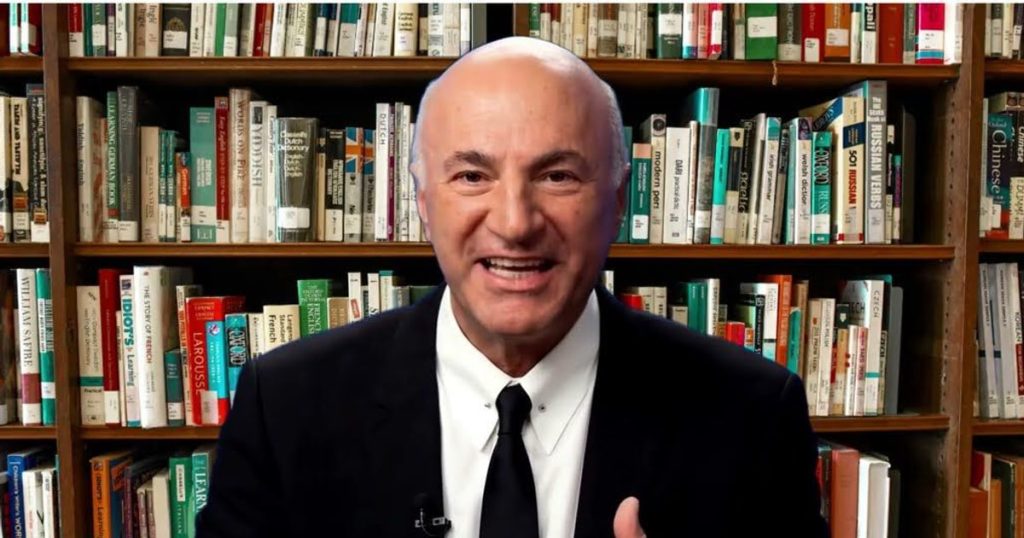
Kevin O’Leary’s retirement message stands out because it shifts attention from financial products to financial behavior. Rather than treating retirement security as a question of picking the right account, he argues that lasting results begin with disciplined cash flow, lower debt, and steady investing. In a period of rising living costs and mounting household obligations, that view offers a sharper and more realistic framework for long-term financial planning.
O’Leary’s rule begins with cash flow
O’Leary does not dismiss 401(k)s or IRAs. He says they become powerful only after savers understand their real spending patterns. His “90-Day Number” asks people to track income and expenses for three months, then measure the gap. A surplus means room to save more. A shortfall shows where discipline must come first. That is not flashy advice, but it is practical and measurable for ordinary households.
The numbers support his urgency. Fidelity estimates that a 65-year-old retiring last year may spend $172,500 on health care and medical expenses throughout retirement. Meanwhile, the New York Fed reported total household debt reached $18.8 trillion in the fourth quarter of 2025. Those pressures explain why investing often fails when spending habits, interest payments, and weak budgeting quietly consume future savings for many households.
Discipline turns accounts into investment strategies
Retirement accounts still matter. The IRS says the 2026 contribution limit for traditional and Roth IRAs is $7,500, rising to $8,600 for people aged 50 and over. Yet tax advantages help only when households can contribute regularly and stay consistent through market noise over time. O’Leary’s real point is that products do not create discipline; disciplined habits make products effective.
O’Leary’s rule is especially timely. It challenges the long-standing belief that retirement success is driven primarily by product selection, when in reality it is shaped by consistent saving behavior and financial discipline. As inflation, volatility, and cost pressures redefine long-term planning, disciplined investing and durable investment strategies will remain the foundation of real retirement security.
