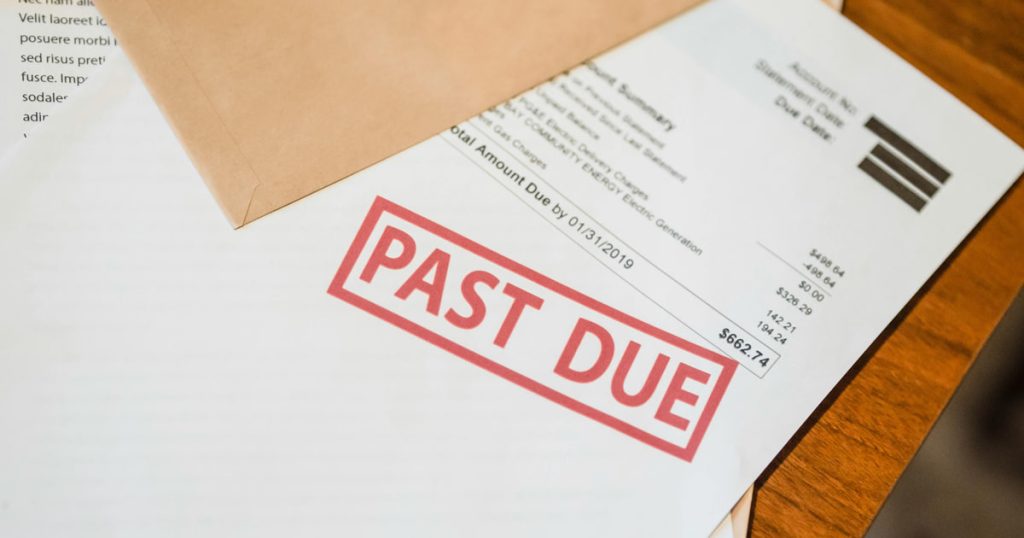
India’s Gen Z is sliding into a dangerous borrowing spiral, with some earning Rs 30,000–40,000 ($360–$480) a month while carrying debts of Rs 30–40 lakh ($36,000–$48,000). What begins as small digital loans for gadgets, travel, rent, or career tools often snowballs into dozens of unsecured borrowings across fintech apps, NBFCs and credit cards.
Take the case of a 29-year-old Pune entrepreneur who accumulated nearly Rs 40 lakh across 54 loan accounts after repeatedly accepting instant, no-collateral offers. When equated monthly installments, or EMIs, were missed, relentless recovery calls and home visits followed.
Young India’s credit explosion cracks
With help from a debt resolution firm, the amount was eventually reduced to around Rs 5 lakh. His story reflects a wider pattern. Debt counselors say hundreds of young borrowers aged 25–35 now seek help each month.
Data backs the concern. Gen Z accounts for 41% of new-to-credit consumers, while over 65% of NBFC fintech borrowers are aged 26–35. Nearly 26% of small-ticket loans under Rs 50,000 are over 90 days delinquent. RBI data shows rising stress in microfinance loans, with overdue accounts climbing sharply between late 2024 and early 2025.
How easy credit turns into a debt spiral
Easy app-based credit, buy-now-pay-later schemes, and credit card minimum payments, often charging 3–4% monthly interest, or 18–48% annually, have normalized debt. Many rotate 8–9 credit cards or take fresh loans to repay old ones. Rising living costs and stagnant wage growth worsen the mismatch between income and EMIs, which in some cases exceed salaries.
Red flags include paying only minimum dues, borrowing for essentials, EMIs crossing 50% of income, credit utilization above 80%, and taking loans to service loans. Experts advise keeping debt-to-income below 30%, avoiding unsecured loans for lifestyle spending, building emergency funds, and seeking professional help before harassment and defaults spiral into financial ruin.
